A bug-out plan is a written answer to one question: if we had to leave right now, what would each of us do? It covers where you’ll go, how you’ll get there, how you’ll stay in touch, what you’ll carry and who is responsible for what. The plan matters more than any single piece of gear, because gear without a plan is just a pile of things you can’t use under stress.
A plan helps you stay calm and focused when a crisis hits, and it protects everyone in the household, pets included. This guide walks through building one, in the order that tends to work.
Start with the threats you actually face #
Don’t plan for every disaster. Plan for yours. List the events that are realistic where you live. That could be hurricanes, earthquakes, wildfires or floods, and also man-made events such as chemical spills, nuclear accidents or terrorist attacks. A family in a river valley and a family beside a refinery need different plans, with different warning signs and different directions to run.
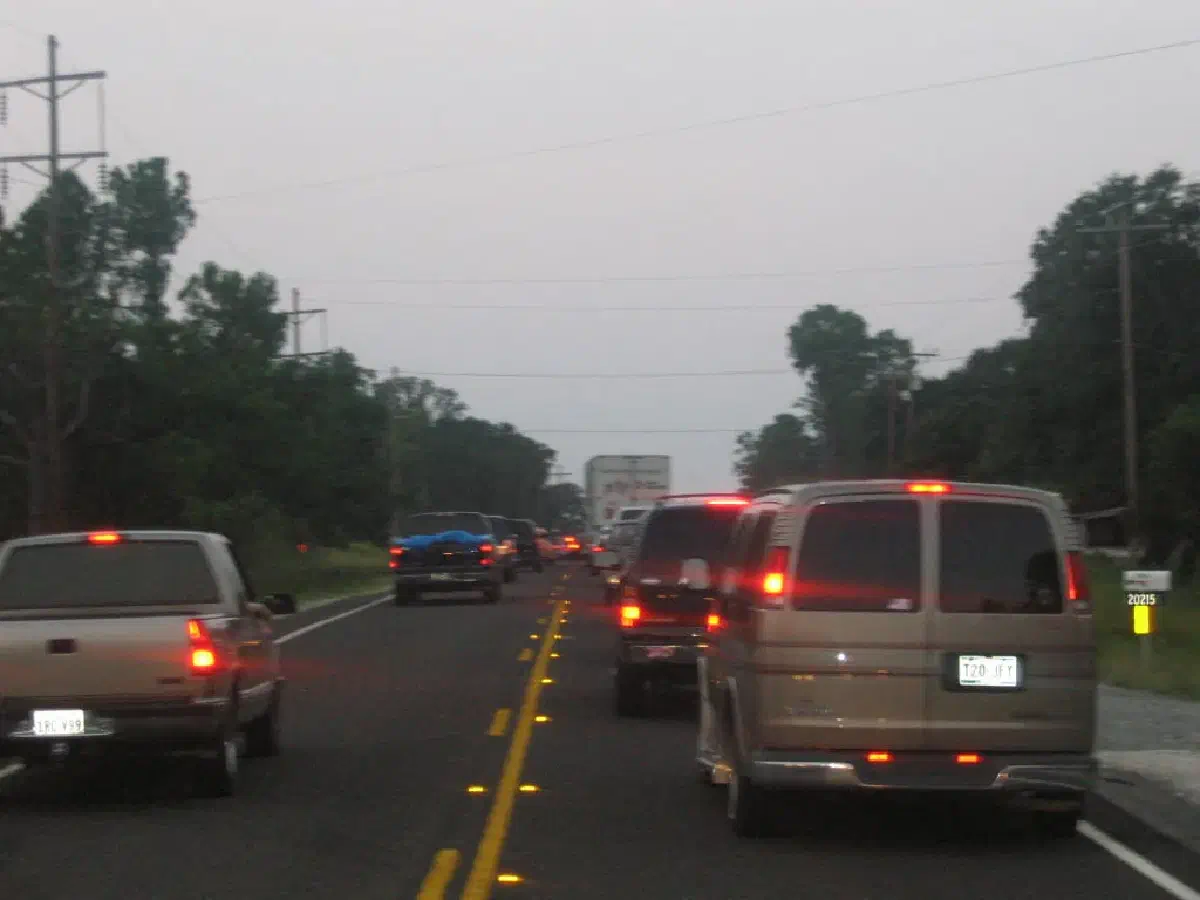
Once you know the threats, decide the triggers. A trigger is the specific thing that tells you to go: a weather alert, an official evacuation order, a smell of gas, smoke on the ridge. Write them down so nobody has to debate the decision when time is short. Waiting for certainty is how people end up in traffic with everyone else.
Gather documents and supplies #
Collect your important documents: identification cards, passports, birth certificates, insurance policies and medical records. Make a list and keep copies of each in a binder or folder you can grab in seconds. Waterproof and fireproof storage is worth the money. Keep a set of digital copies as well, stored somewhere you can reach from any device.
Then gather the basic supplies: non-perishable food, clean water and medications. If you don’t yet have packs ready, our bug-out bag guide walks through what each one should hold.
Prepare a bag for each person #
Everyone in the family gets their own bug-out bag, sized to what they can carry. Include clothing for different weather conditions, toiletries, medications, a flashlight, spare batteries and a first aid kit. Check and update the bags regularly. Children outgrow clothes, medications expire, and batteries die.
Choose destinations and routes #
Pick more than one bug-out location #
Decide where you’ll go before you need to. Evaluate candidates for safety, accessibility, distance from the hazard, and proximity to resources and emergency services. Good options include designated evacuation centers, hotels, the homes of friends or relatives, a family cabin, or public buildings such as schools and community centers. Choose several near both your home and your workplace, because you may not be at home when it starts.
If your first choice is inaccessible, you need a second and a third. For more on what a longer-term destination looks like, see building a bug-out retreat.
Map your routes #
Draw a map with several routes to each location, a primary and a secondary at minimum. Mark landmarks and alternatives in case a route is blocked or compromised. Think about the different modes of travel, such as driving, biking or walking, and which suits which situation.
Know how to navigate with a compass and paper map. GPS and cell service may not be available, and the skill is worth having anyway. Drive or walk the routes once in advance. You’ll find the bridge that floods, the one-way street, the gate that’s always locked.
Set up communication #
During an emergency, communication keeps everyone safe and accounted for. Sit down together and agree on:
- How and when you’ll check in. Set times, not “when we can.”
- Which methods to use. Cell phones, text messages, walkie-talkies and emergency alert systems. Texts often go through when calls don’t.
- A contact person outside the area. Choose someone who isn’t likely to be affected by the same event, and make sure everyone has the number. Family members can each report to that person rather than trying to reach each other.
- Meeting points. One near the house, one farther away, in case you can’t return.
Make sure everyone, including older children, knows how to use the radios and phones. A tool nobody understands doesn’t help.
Plan for the sudden event, not just the slow one #
A hurricane gives you days of warning. A chemical spill, a wildfire shift or a gas main break may give you minutes. Your plan needs two versions: a staged departure where you can pack the car and leave in an orderly way, and a grab-and-go version where the bags, the documents folder, the pets and the people are out of the door in the time it takes to find your shoes.
Keep the vehicle’s fuel tank at least half full, and keep shoes, a jacket and a flashlight near each bed. For incidents involving smoke or chemicals, decide in advance which way is upwind and which routes lead away from industrial areas, rail lines and rivers. Don’t use the same plan for a flood as for a fire, since the safe direction can be opposite.
Evacuation: who does what #
Assign roles so nobody is deciding on the spot. One adult grabs the bags and documents, another gets the vehicle ready, someone gathers the pets and someone helps the youngest or most vulnerable members. Everyone should know what to do and where to meet.
Communicate the plan with all family members, in plain language, and make sure each person knows their part.
Account for special needs #
A plan that works for a healthy adult may fail for everyone else. Think specifically about:
- Elderly or disabled family members. Consider mobility, equipment such as wheelchairs or oxygen, and whether they can manage the planned routes.
- Medical conditions and dietary needs. Plan for refrigerated medication, spare glasses, and special foods.
- Infants and young children. Formula, diapers, comfort items and the fact that they can’t walk as far or as fast.
Dont forget the pets #
Pets are family, and leaving them behind is a choice people regret. Pack food, water and medications for them, and identify pet-friendly shelters and hotels ahead of time, because many evacuation centers don’t allow animals. Train animals to come when called and to stay in a carrier or on a leash. Know where their vaccination records are.
Train and educate the family #
A plan on paper doesn’t work until people have rehearsed it. Run drills where you actually execute the bug-out plan, with the bags, the vehicle and the routes. Time yourselves and fix what slows you down.
Teach basic first aid and emergency response so that everyone has life-saving skills. Make sure each person understands the hazards most likely to affect your area. Children cope far better when they know what’s going to happen and what their job is.
Review the plan at least once a year #
A plan is never done. Set aside time at least once a year, and after any major change in your life, to review it. Update contact information and documents. Restock supplies and adjust for changes in the family’s needs. Stay informed about new risks in your area, such as a new development, a closed road or a changing hazard map.
Pick a date you’ll remember, such as the first weekend of the clocks changing, and tie the review to it. Done consistently, the plan stays ready without taking much effort. Once the plan is on paper, the rest of our survival skills coverage helps with the moving parts: transport, shelter and the pack itself.
Summary of the steps #
- Identify the threats and set the triggers.
- Gather documents and supplies.
- Prepare a bag for each person.
- Choose multiple destinations and map routes to each.
- Agree on communication and meeting points.
- Assign evacuation roles.
- Account for special needs and pets.
- Practice, and review annually.